




















The 4 Best Hobby Laser Cutters in the UK for Crafting

Buying your first hobby laser cutter doesn’t have to be confusing.
With terms like “diode,” “20W,” and “engraving speed” floating around, it’s easy to get lost in the jargon.
This buyer’s guide keeps it simple—we’ll walk you through what features really matter, what kind of machine fits your needs, and what to expect in different price tiers.
Let’s find the right cutter for your hobby laser cutting journey.
Choosing a Hobby Laser Cutter: What You Need to Know
When shopping for a laser cutting machine for hobbyists, here are the key factors to consider:
1. Laser Type
- Diode Laser: Compact, affordable, and great for engraving wood, leather, and dark acrylic; popular for hobby use.
- CO₂ Laser: Powerful and versatile, ideal for cutting and engraving acrylic, wood, leather, and more; widely used in small businesses.
- Fiber Laser: High-precision laser for marking and engraving metals and some plastics; commonly used in industrial and commercial settings.
Feel free to watch the video to find out which laser type suits you.
2. Material Compatibility
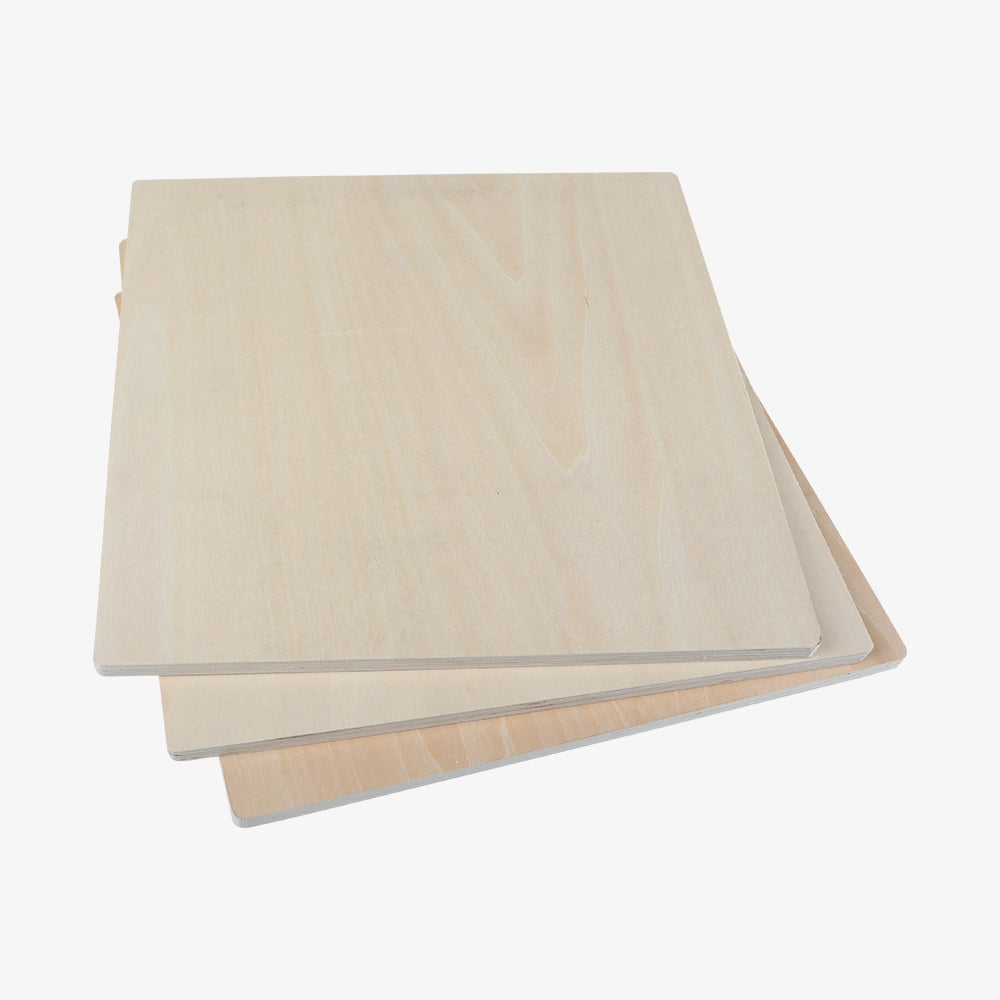
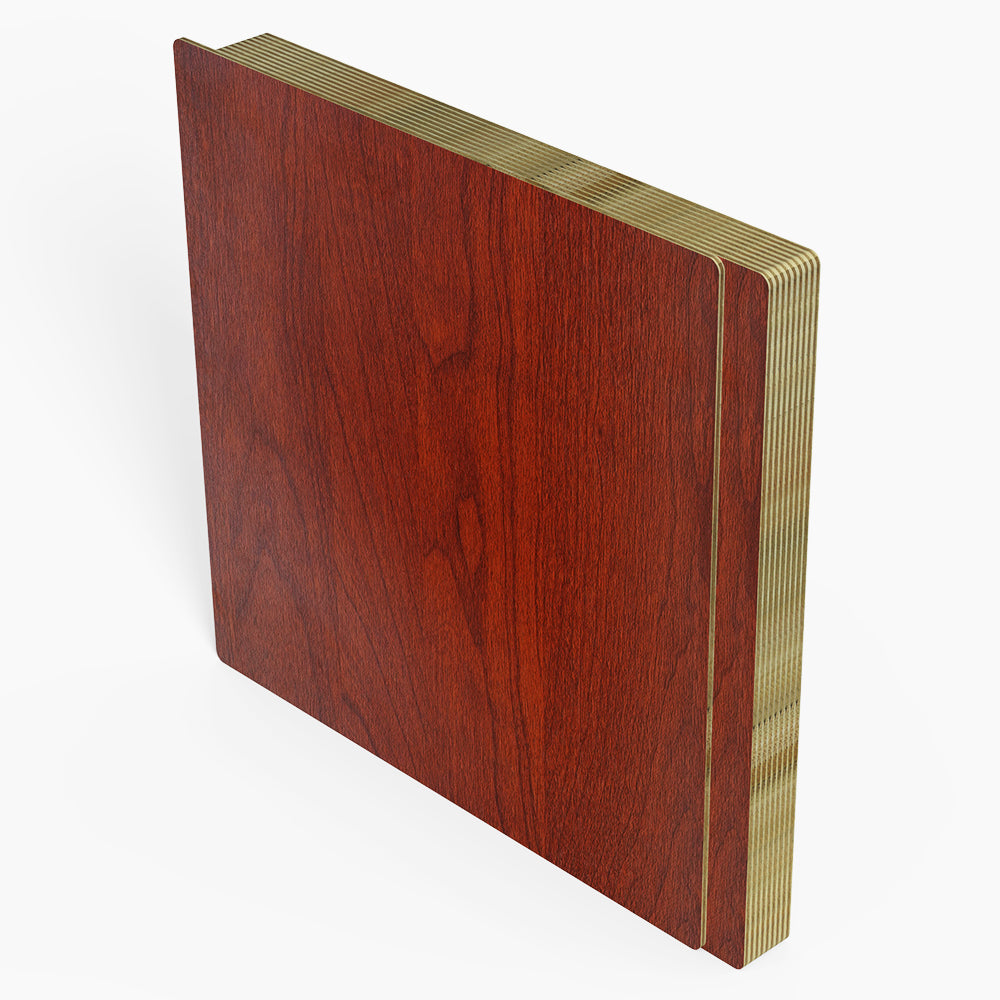
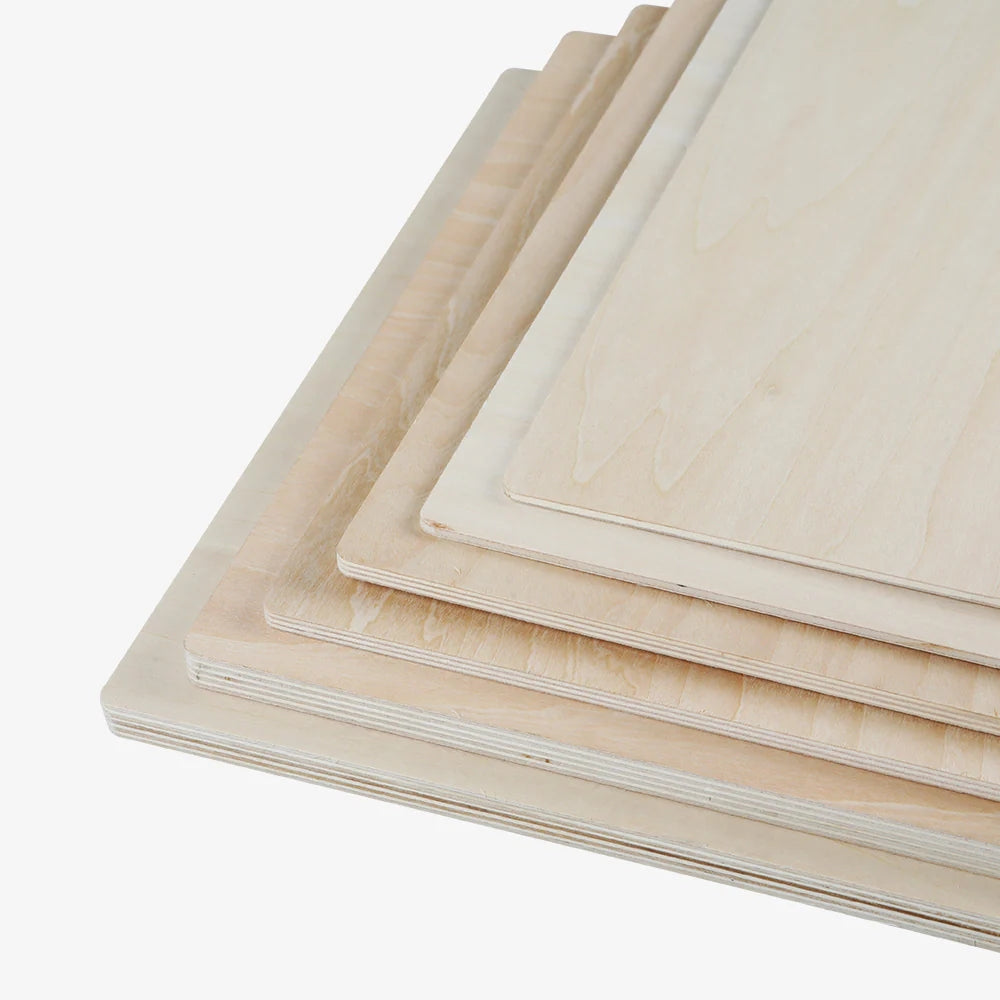
Check which materials the machine can cut or engrave—wood, acrylic, leather, metal, glass, etc.
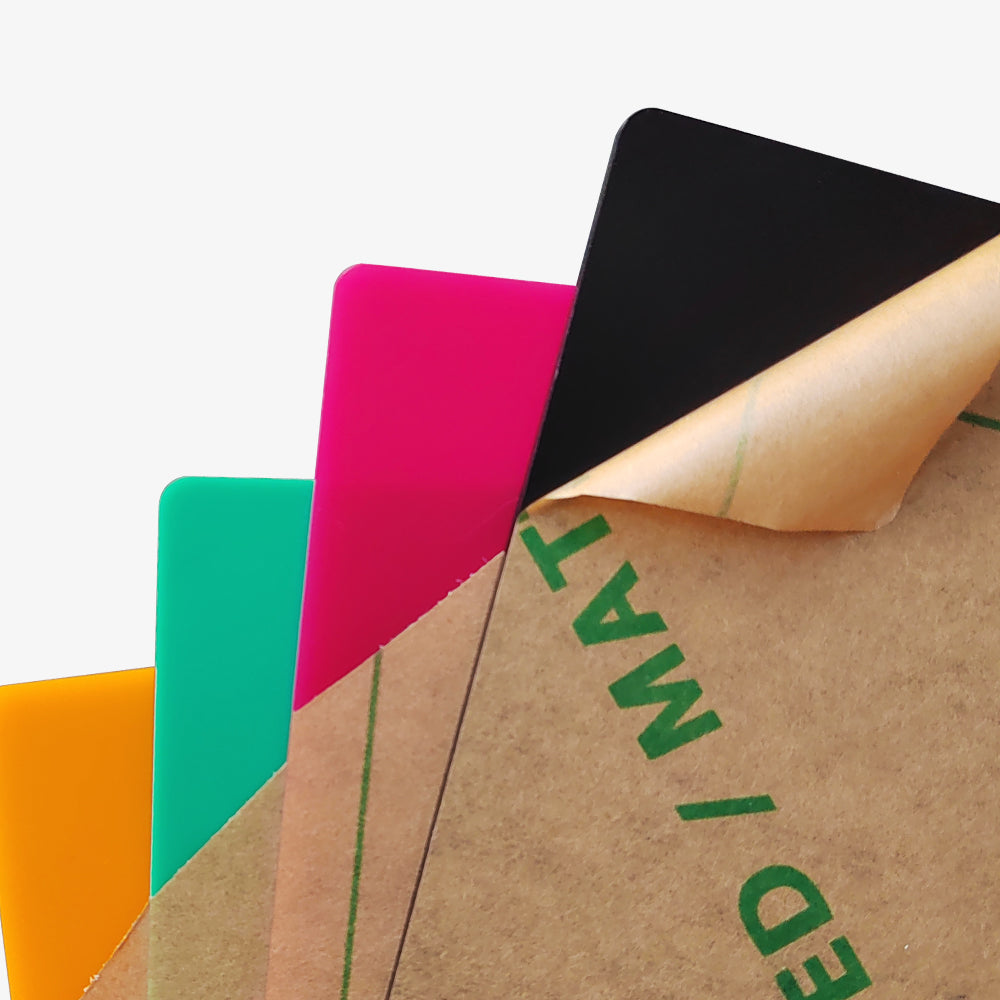
Diode lasers can’t cut clear acrylic, for example.
3. Software Support
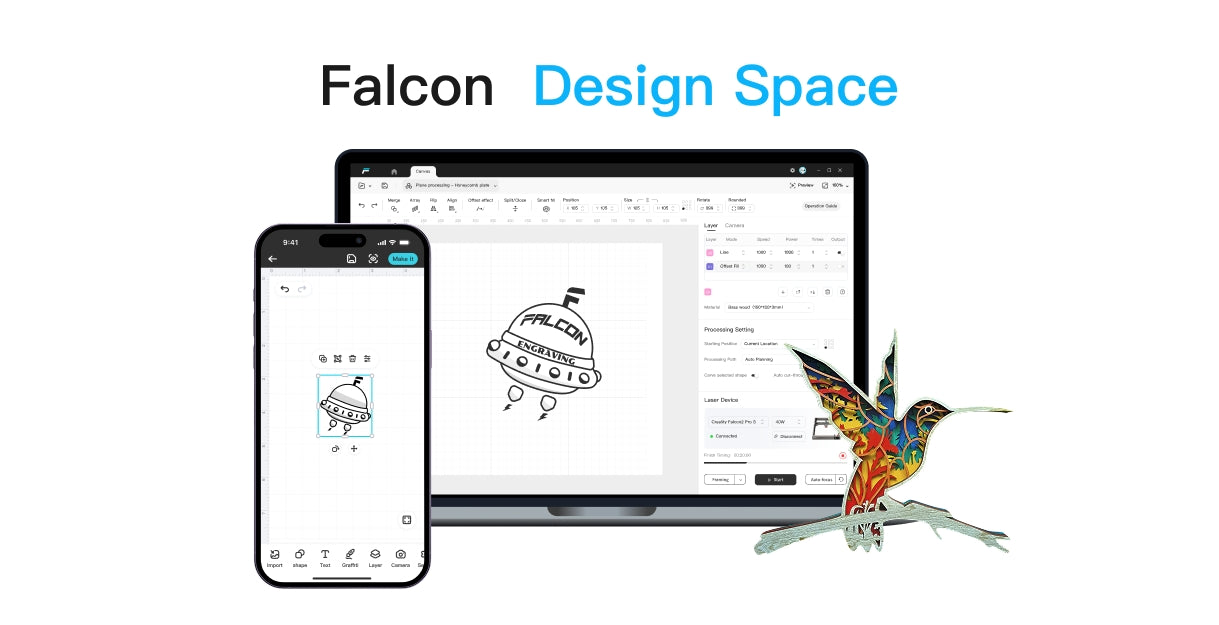
Look for a machine that’s compatible with beginner-friendly software like LaserGRBL, LightBurn, or the free design tool Falcon Design Space.
Some brands also offer their own intuitive platforms.
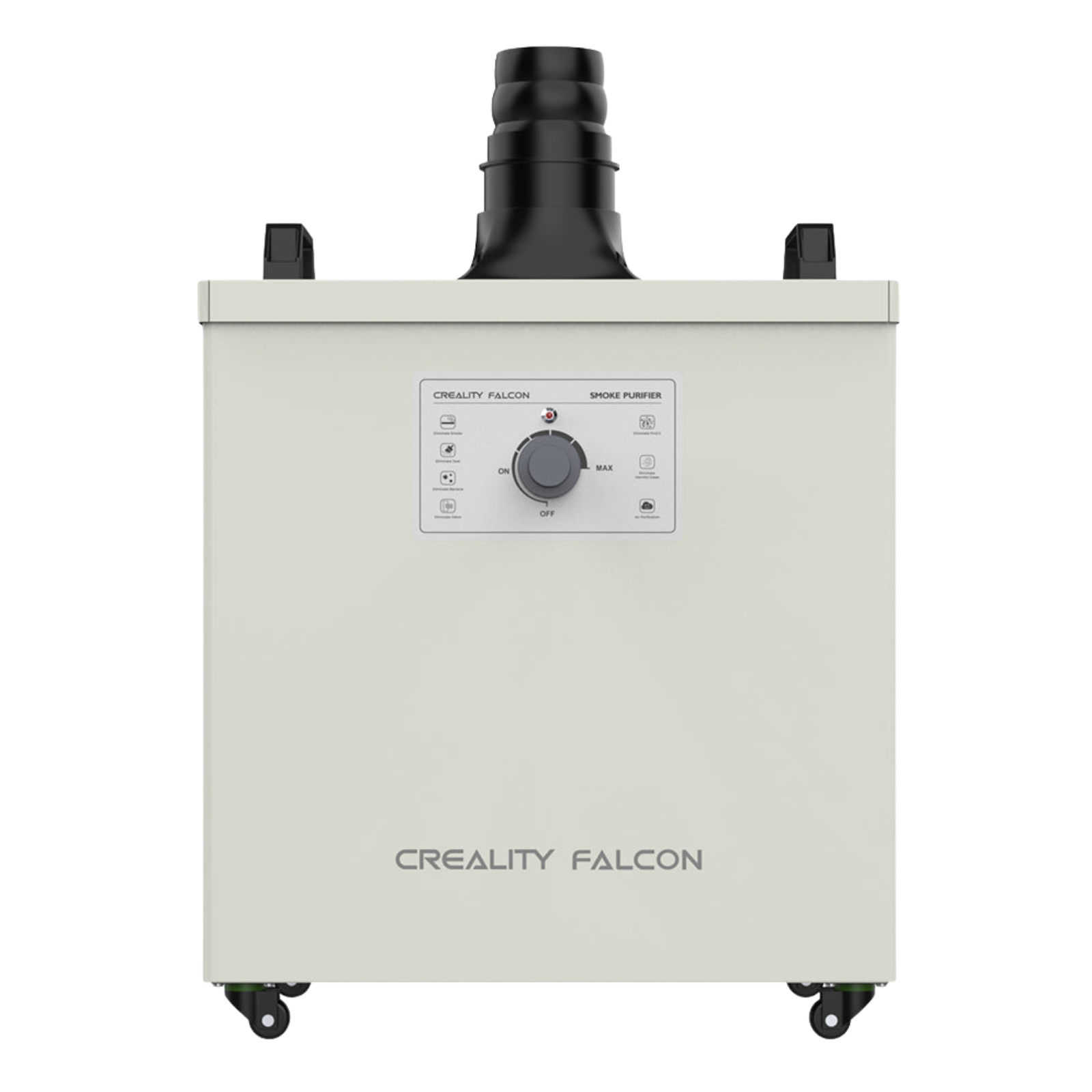
4. Smoke Management
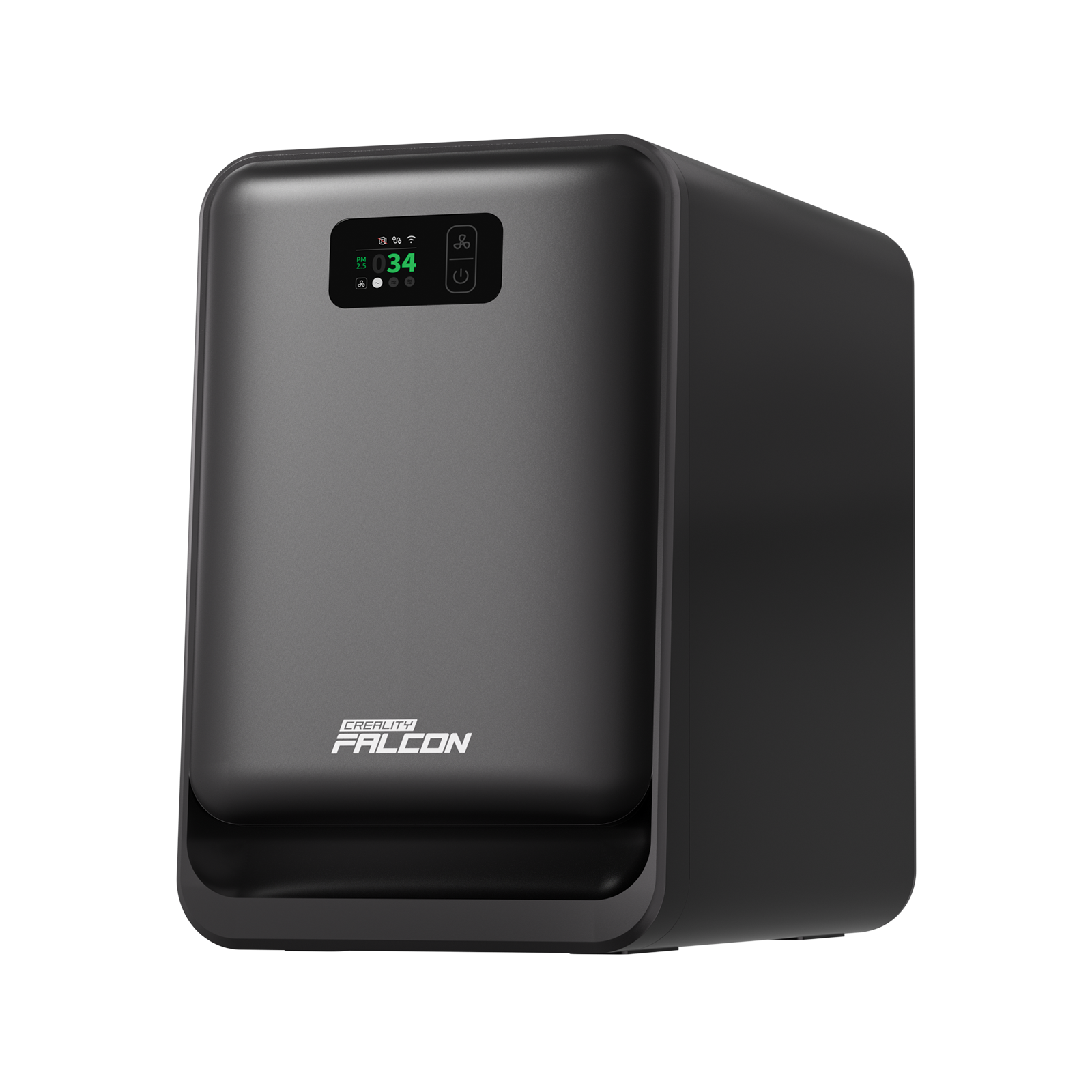
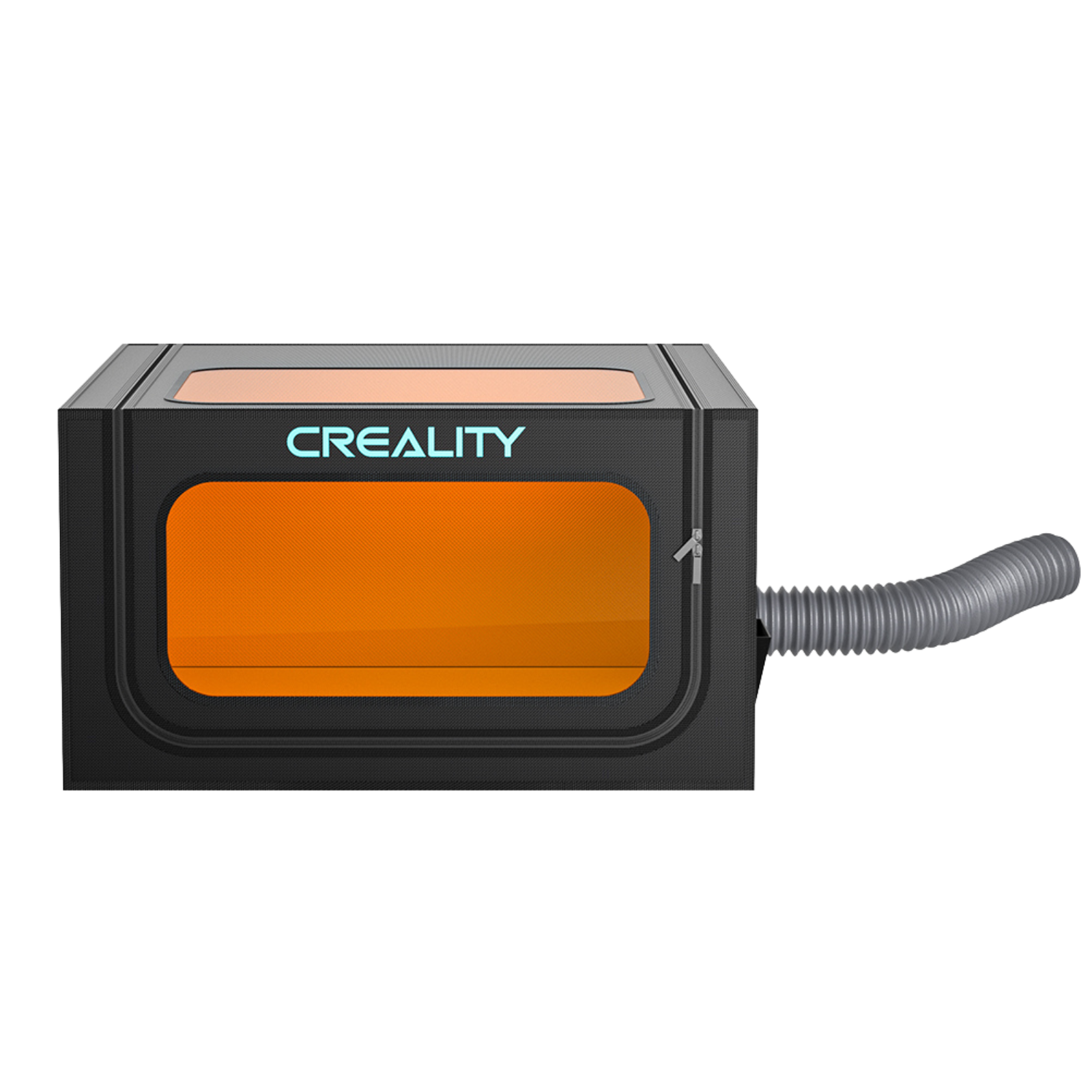
Laser engraving and cutting generate smoke, fumes, and fine particles—especially when working with materials like wood, leather, and acrylic.
Proper smoke management is essential for both safety and engraving quality.
Top 4 Hobby Laser Cutters in the UK: Reviewed
Here are the best hobby laser cutting machines that hobbyists love in 2026, reviewed for performance, value, and ease of use.
1. xTool S1
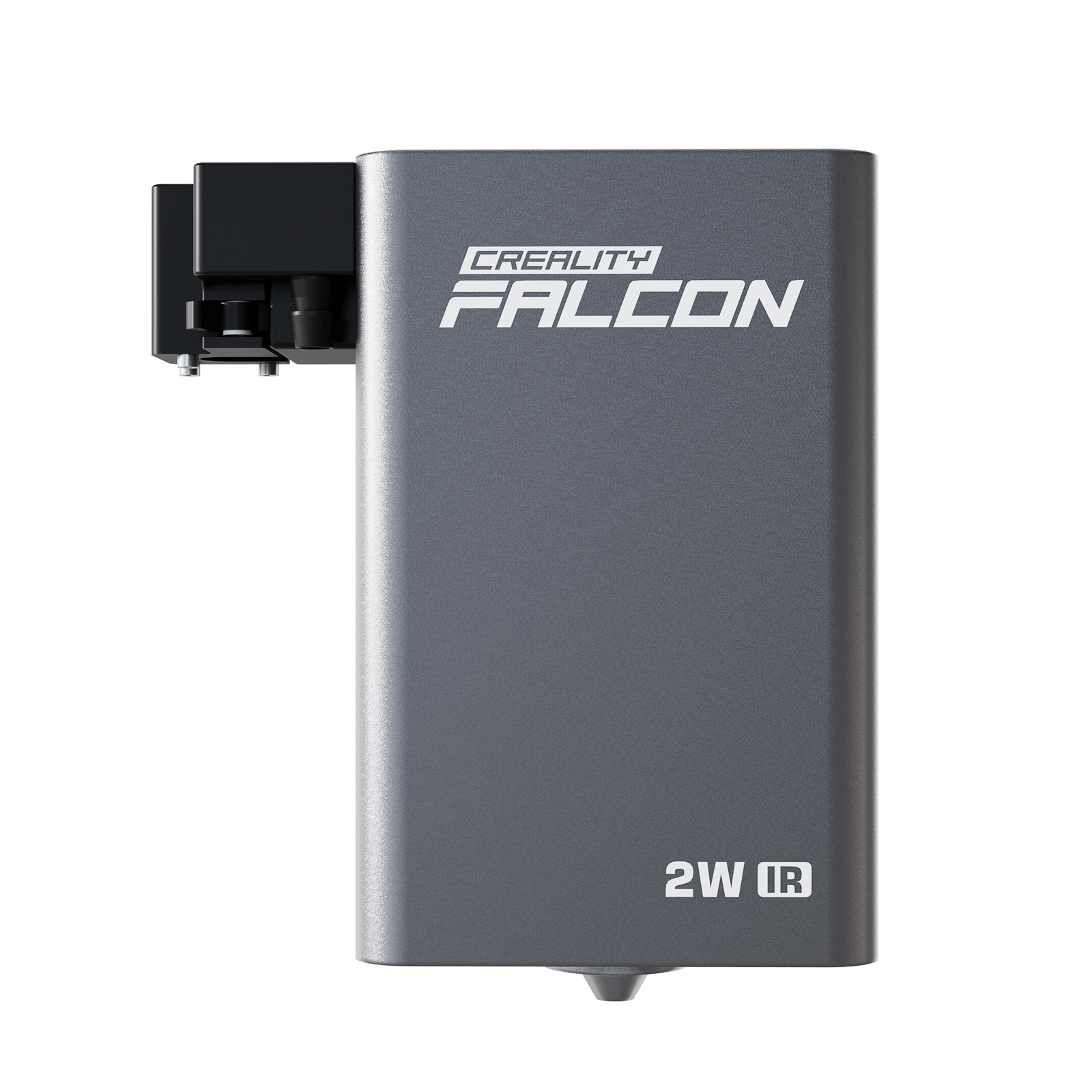
The xTool S1 is a fully enclosed diode-laser engraver (available in 20 W, 40 W, and even a 2 W option for metal marking).

It stands out for its Class 1 safety enclosure, flame detection, emergency stop, and auto-focus mechanisms—making it exceptionally safe and beginner-friendly.
Users praise its ease of setup, precision, and robust build, often comparing it favorably even to entry-level CO₂ machines.
Why should you choose xTool S1:
- Full Class 1 safety enclosure – protects eyes and reduces smoke/odor leakage
- Smart features – auto-focus, material detection, and curved surface engraving
- Dual-laser power options (20W/40W) – engrave and cut a wide range of materials
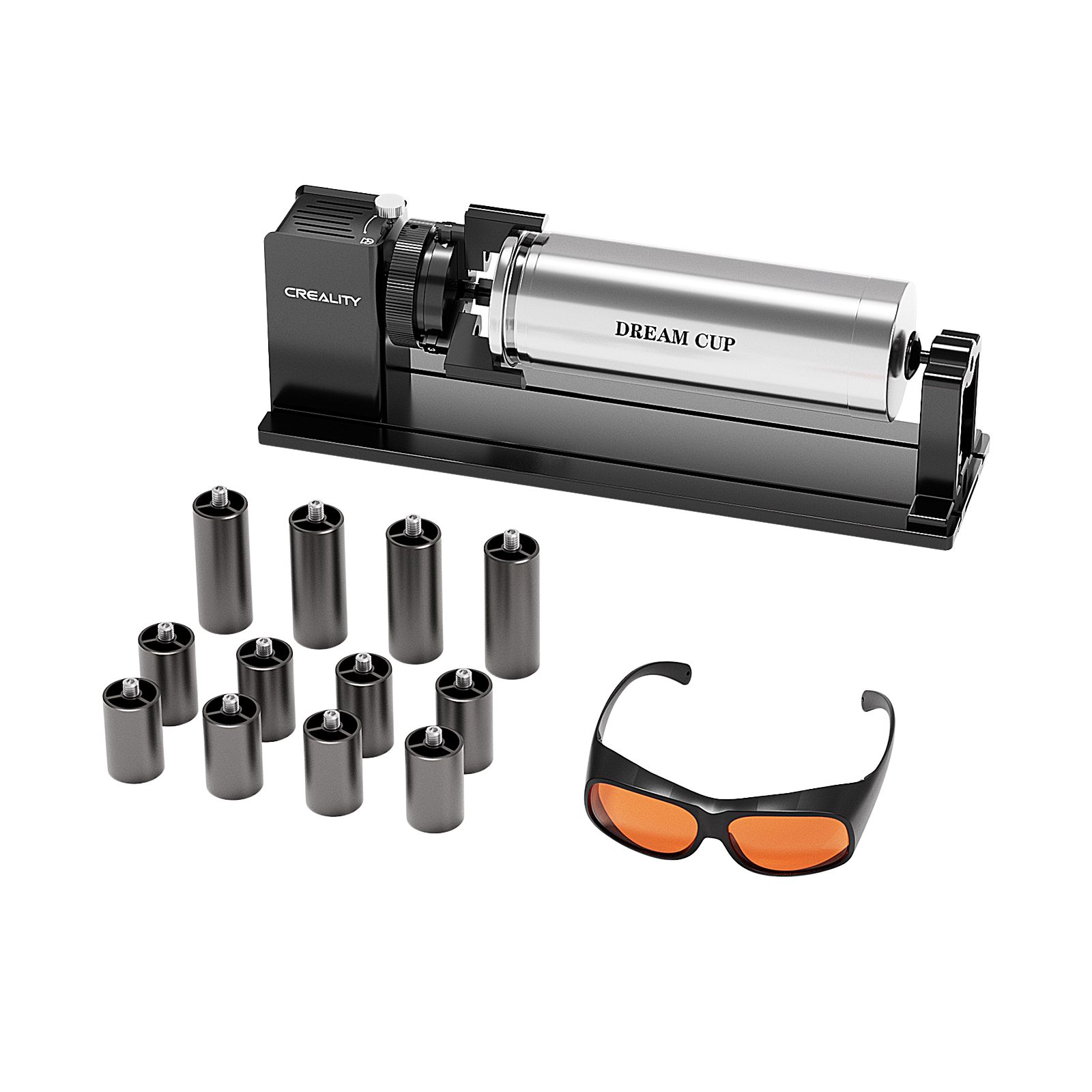
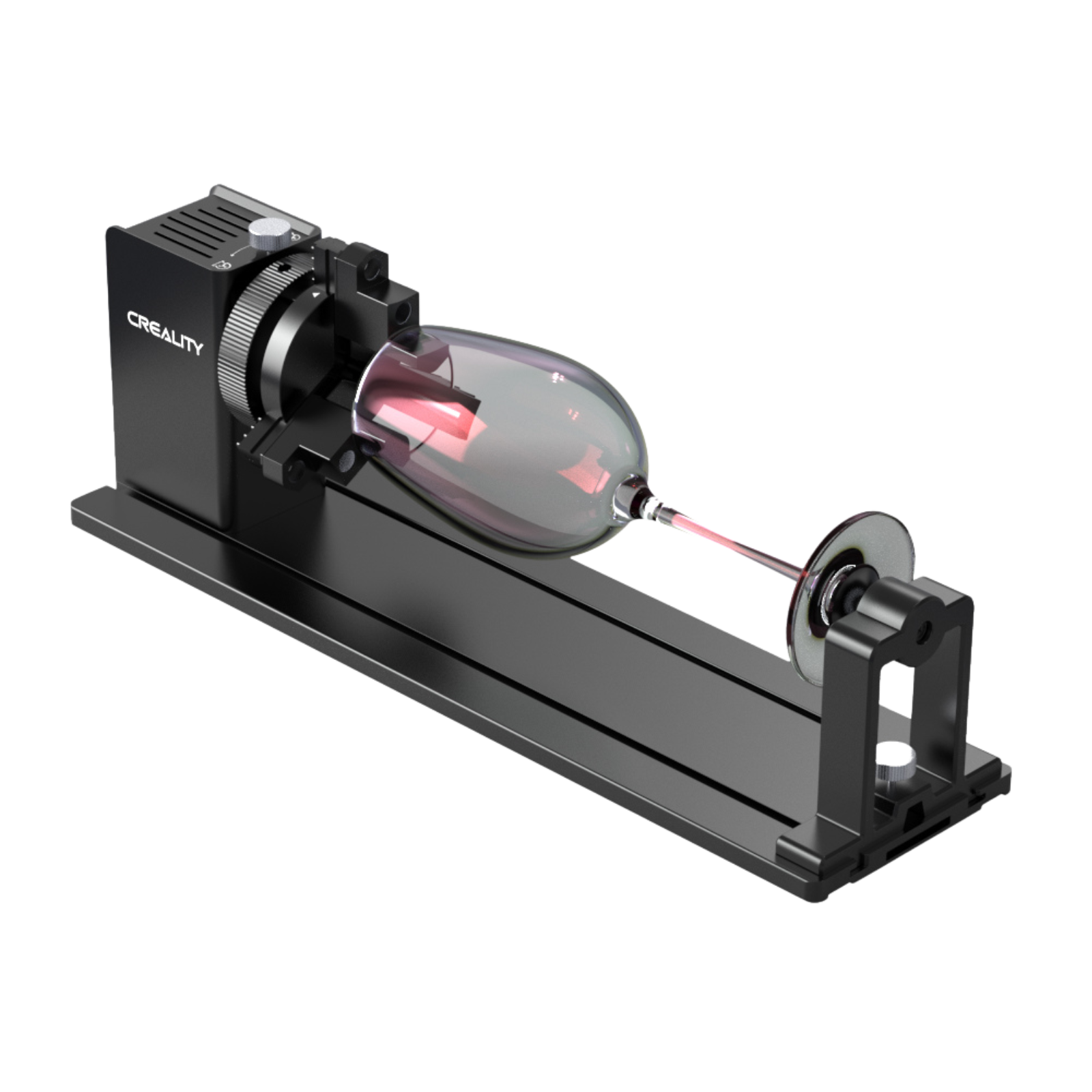
- Upgradable – supports rotary, IR laser module for metal, and air assist
- Polished software and ecosystem – user-friendly interface and great community
2. Falcon A1
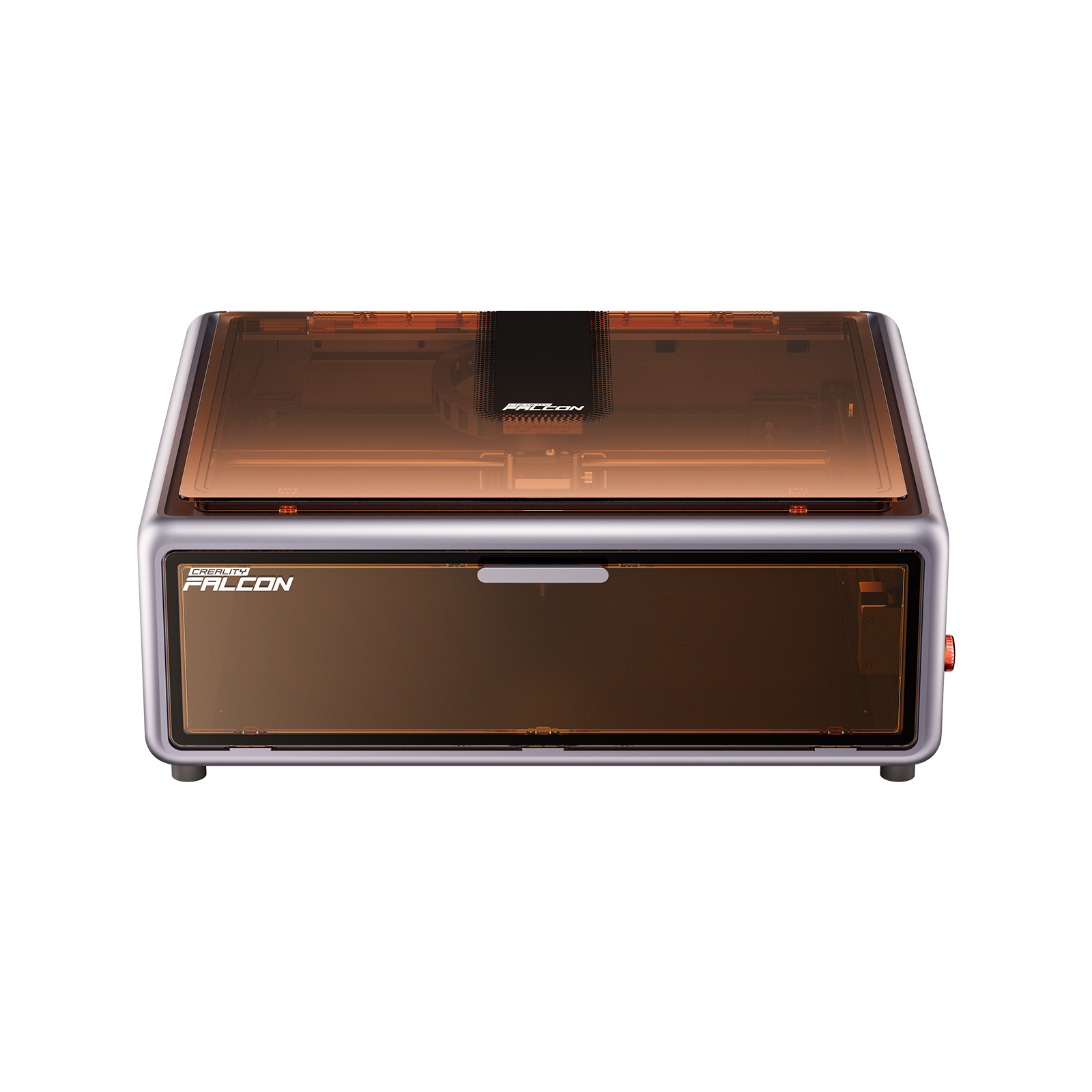
If you’re looking for a laser that feels less like a science experiment and more like a helpful kitchen appliance, the Creality Falcon A1 is a fantastic choice.
It’s built for the "I just want to make stuff" crowd, cutting out the typical DIY frustrations that come with cheaper, open-frame machines.

Reviews note that despite its modest wattage, it performs impressively, cutting thick plywood cleanly (even ~¼ ply) when paired with air assist and slow feed rates.
Why should you choose Falcon A1:
- Ready to Rock (Zero Assembly): Most lasers show up as a bag of 200 screws and a "good luck" manual. The Falcon A1 comes fully pre-assembled. You literally just pull it out of the box, plug it in, and you’re ready to engrave in about 15 minutes.
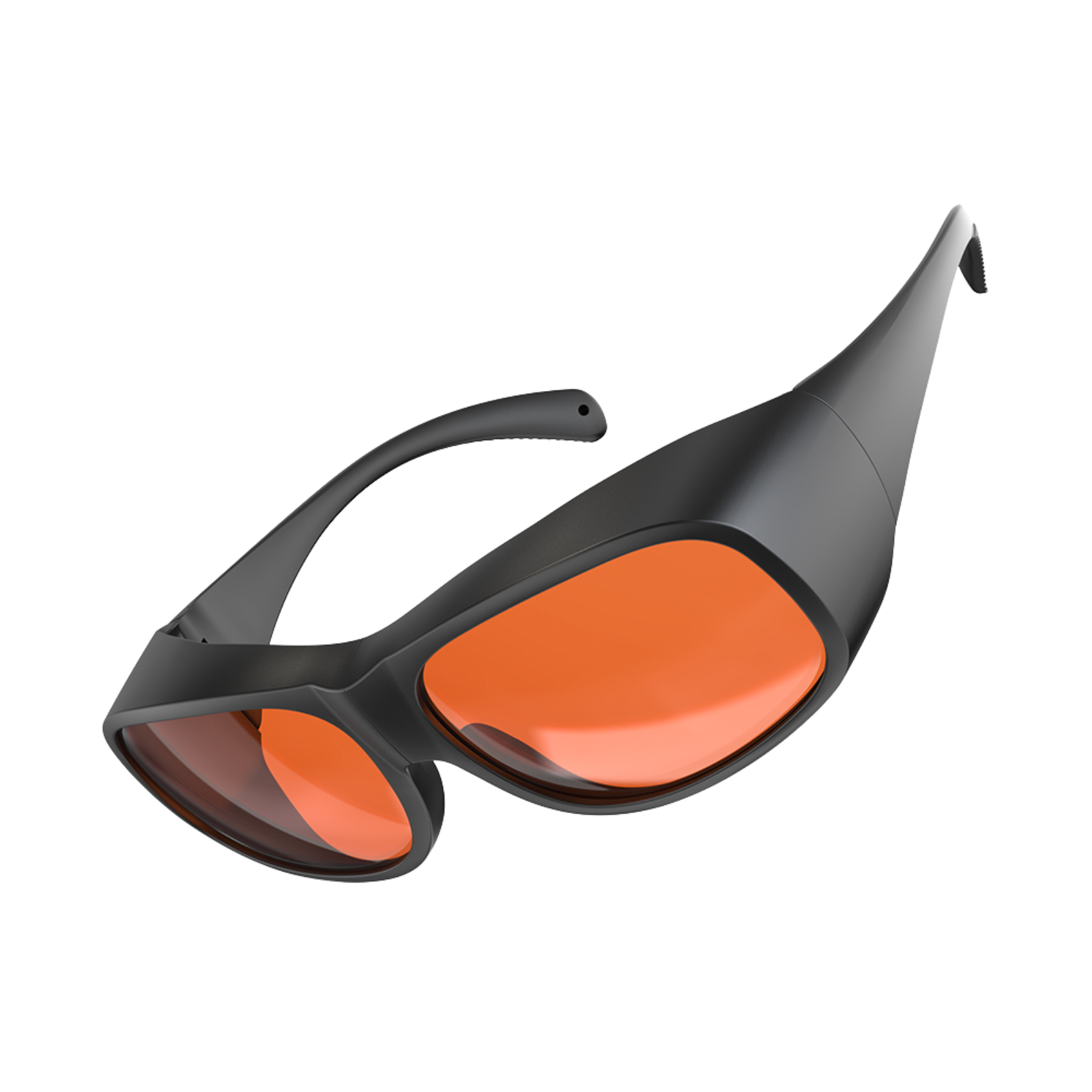
- Family-Safe Enclosure: Because it's a Class 1 enclosed laser, it keeps all the light and smoke inside. You don't have to wear those dorky safety goggles the whole time, and you don't have to worry about the cat or kids getting too close to the beam. It even has a sensor that stops the laser immediately if you open the lid.
- The "Drag and Drop" Camera: This is a total game-changer for beginners. It has a built-in HD camera that shows you exactly what’s on the laser bed. Instead of guessing where your design will land, you just drag your image on the screen to where you want it on the wood. It saves a ton of "oops, I missed" material waste.
- Smart Material Detection: It can actually recognize materials using a QR code system. It automatically sets the right power and speed so you don't have to spend your Saturday afternoon doing "test cuts" just to see if it will burn through a piece of plywood.
- Big Workspace, Small Footprint: Despite being compact enough to fit on a desk, it has a surprisingly generous 12" x 15" work area. That’s more than enough room for custom cutting boards, laptop covers, or batches of keychains.
- Speedy & Smooth: It uses a high-end "CoreXY" system, which means it can move really fast (600mm/s). Your engraving projects will finish way sooner than on a standard budget laser.
Video review of Falcon A1:
3. OMTech K40+
If you’ve spent any time looking at hobby lasers, you’ve probably seen a lot of "open-frame" machines that look like high-tech Meccano sets.
The OMTech K40+ is different. It’s a CO2 laser, which means it uses a powerful gas tube tucked inside a sturdy metal box.
Think of it as the "level up" machine. It’s for the hobbyist who has moved past basic engraving and wants a real workshop tool that can slice through materials a standard diode laser wouldn't dare touch.

Why it’s a Great Shout for Your Hobby:
- It Actually Cuts Clear Acrylic: This is the "killer feature." Most hobby lasers (diodes) literally cannot see clear or light-colored acrylic—the beam just passes through it like a ghost. The K40+ slices through clear, mirrored, and neon acrylic like a hot knife through butter. If you want to make professional-looking jewelry or cake toppers, this is the one.
- Serious "Oomph" for its Size: Don't let the desktop size fool you. This thing can cut through 13mm acrylic and 7mm walnut. That’s thick enough to make actual furniture models, sturdy boxes, or heavy-duty signs, not just thin decorative stickers.
- No "Laser Goggles" Zone: Because it’s a fully enclosed (Class 1) box, you don't have to turn your spare room into a restricted area. The laser stays inside, and the tinted window protects your eyes. It’s much more "family-friendly" if you have kids or pets wandering around.
- It Grows with You: The K40+ is compatible with LightBurn. In the laser world, that’s the "pro" software everyone uses. Learning it on this machine means if you ever upgrade to a massive industrial laser later, you already know exactly how to run it.
- Everything Stays Contained: It has a built-in exhaust system. While you still need to poke the hose out a window, it does a much better job of trapping the smoke and "laser smell" inside the box than an open-frame machine ever will.
- UK-Based Backup: Since you're looking at the UK store, you’re getting local tech support and a UK warranty. If you get stuck or a part needs replacing, you aren't waiting weeks for a ship from overseas—you're dealing with someone right here.
4. Monport 40W
If you’re ready to graduate from basic diode lasers but aren’t quite ready to spend thousands on an industrial rig, the Monport 40W (often called the K40 Pro) is a popular "stepping stone" in the hobby world.
It’s essentially a polished version of the classic Chinese "K40" laser.
Monport takes that raw power and adds the "creature comforts" that make it feel like a real tool rather than a DIY science project.

Why it’s a Great Shout for Your Hobby:
- The "Clear Acrylic" King: This is the biggest reason to go for a 40W CO2 laser like this. Most hobby diode lasers can't "see" clear or light-colored acrylic. The Monport 40W slices through clear, neon, and mirrored acrylic like it’s nothing. If you’re making jewelry or bespoke cake toppers, this is your machine.
- LightBurn Ready Out of the Box: Older K40 lasers required you to swap out the "brains" of the machine to use good software. The Monport version comes with a board that talks to LightBurn (the gold standard software) immediately. No soldering or rewiring required.
- Red Dot Guidance: It has a built-in red pointer that shows you exactly where the laser is going to hit. It sounds simple, but it saves you from "eye-balling" your design and wasting a perfectly good piece of wood.
- Dual Workbed Design: It comes with both a clamping bed (for irregular things like pens or spoons) and a level board (for flat sheets). It makes the machine much more versatile for a hobbyist who wants to try a bit of everything.
- Enclosed & Safer: Because it’s a big metal box with a safety lid, you aren't filling your room with laser light. It’s a lot more "family-friendly" than open-frame lasers, though you’ll still need to vent the smoke out a window.
- Small But Speedy: It can hit speeds of up to 350mm/s. For engraving small gifts or tags, it’s significantly faster than most entry-level diode machines.
To Conclude
Deciding on a laser cutter in 2026 really comes down to what you want to make and where you plan to put it.
The market has moved toward fully enclosed, safety-first designs, meaning you no longer need a dedicated industrial garage to get professional results.
-
For the "Do-It-All" Hobbyist: The xTool S1 is the gold standard if you want a machine that grows with you. Its ability to swap laser heads and handle curved surfaces makes it the most versatile choice for someone who wants to try everything from wood signs to metal engraving.
-
For the "Tech-Savvy" Beginner: If you want the easiest setup possible, the Falcon A1 is the winner. The AI camera and "drag and drop" design features take the guesswork out of positioning, saving you a fortune in ruined materials.
-
For the Acrylic Artist: If your main goal is making jewelry, cake toppers, or anything involving clear or light-colored acrylic, you need a CO2 laser. Both the OMTech K40+ and the Monport 40W are the clear winners here. They slice through materials that diode lasers simply can't "see."
-
For the Space-Conscious Maker: If you are working from a spare room or a small desk, the Monport 40W or Falcon A1 offer the best balance of power and footprint. They feel like a piece of high-end home office equipment rather than a bulky industrial tool.
Beginner-Friendly Laser Cutter Projects You Can Try Today
Laser cutting doesn’t have to be intimidating.
If you’re just getting started with a hobby laser cutting machine, here are some beginner-friendly projects that are fun, fast, and teach you the basics:
- Bookmarks: Thin wood or leather bookmarks are easy to cut, engrave, and make thoughtful, handmade presents.
- Name Tags & Labels: Whether for pets, plants, or pantries, you can quickly cut and engrave stylish labels.
- Puzzle Pieces: Create personalized jigsaw puzzles by cutting a photo-engraved wood or cardboard sheet.
- Phone Stands: Design simple interlocking wood or acrylic stands for your mobile phone.
- Wall Art: Start with a quote or geometric pattern and turn it into a decorative cut-out wall hanging.
These projects let you explore the speed, depth, and engraving capabilities of your hobby laser cutter—without wasting costly materials.
Watch the video tutorial to kickstart your laser engraving journey.
Essential Maintenance Tips for Your Hobby Laser Cutter
To keep your hobby laser engraver in top shape, follow these simple maintenance tips:
- Keep it Clean: Wipe down your lens, mirrors, and workspace regularly to avoid build-up that reduces precision.
- Check Focus: Run a quick calibration before each session to ensure the laser is focused correctly.
- Tighten Screws: Vibrations can loosen bolts over time. Do a monthly check to keep everything secure.
- Lubricate Rails: A little lubricant on moving parts goes a long way to ensure smooth operation.
- Update Software: Keep your firmware and control software up to date for new features and bug fixes.
- Cool it Down: If your machine has a cooling fan or water system, ensure it runs efficiently.
With some care, your laser cutter will last for years and continue delivering precise cuts and engravings.


